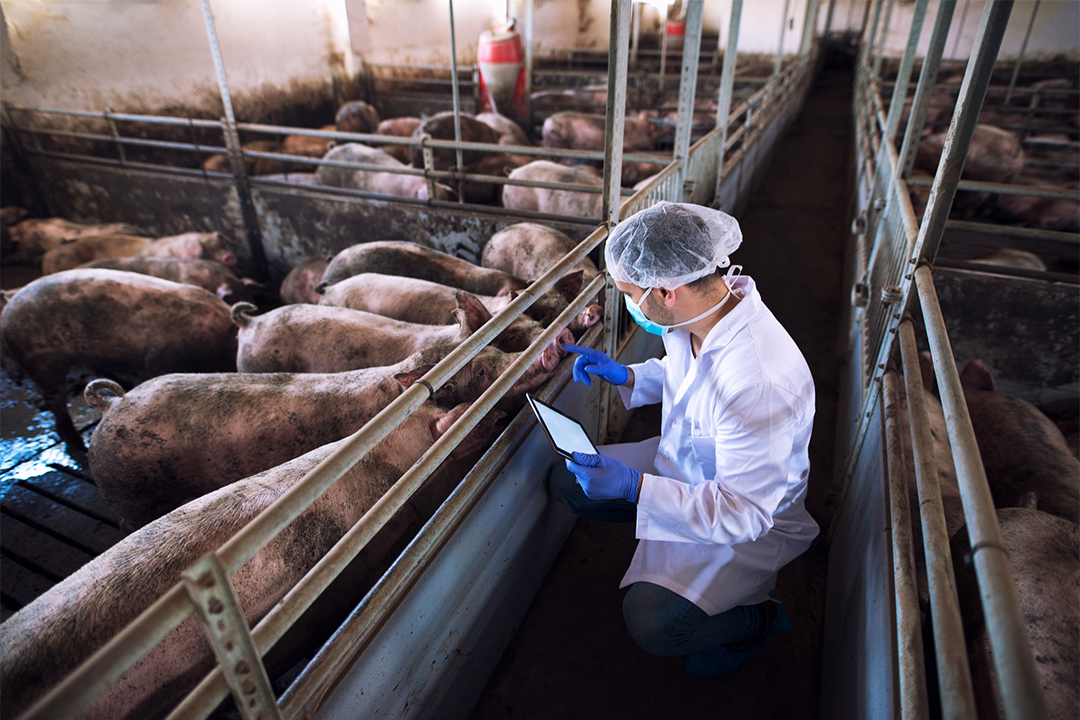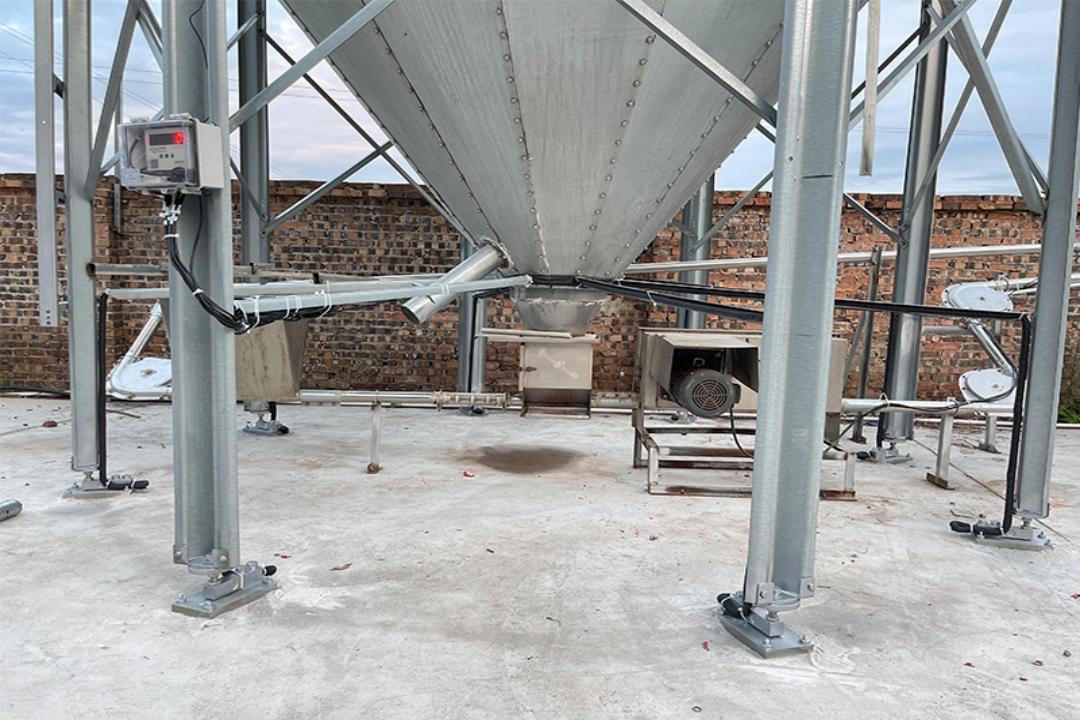

Modern livestock farms are increasingly adopting smart technologies to improve feed efficiency, reduce manual inspections, and make better management decisions. An embedded process controller plays a critical role in this transformation by collecting real-time data, processing information through intelligent algorithms, and connecting farm equipment with digital management platforms.
For livestock operations using silo weighing systems, an embedded process controller works as the intelligent core that converts weight data from sensors into valuable feed management insights. By integrating advanced control technology with smart farming solutions, SWT helps farms achieve more accurate feed monitoring and more efficient daily operations.
An embedded process controller is a dedicated computing unit designed to perform specific monitoring and control tasks within an automated system. Unlike general-purpose computers, it is optimized for stable operation, real-time data processing, and continuous performance in specific application environments.
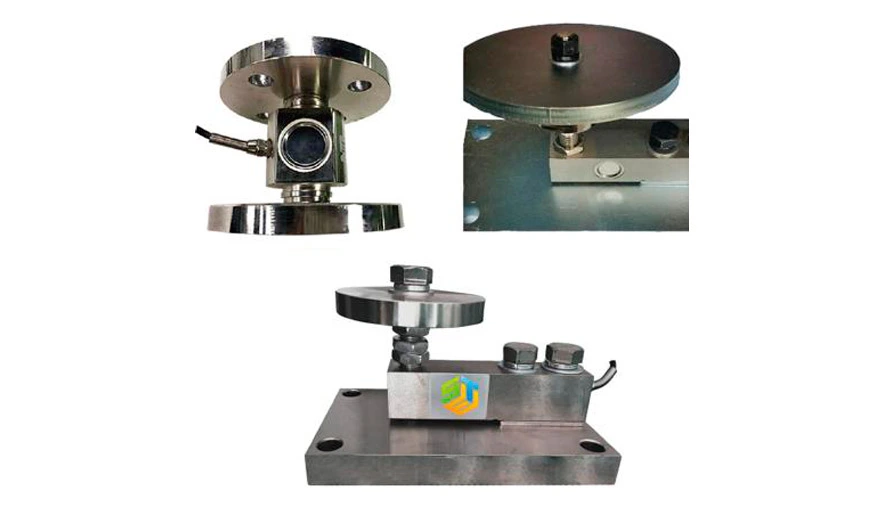
In livestock farming, the embedded process controller is commonly integrated with silo weighing systems. It receives signals from load cells installed on feed silos, processes the collected data using built-in algorithms, and transfers accurate information to farm management platforms.
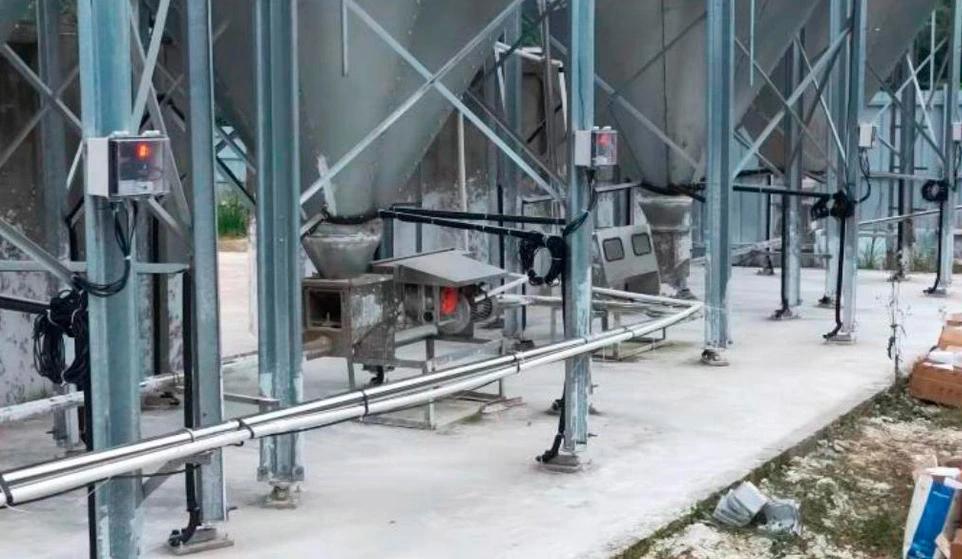
The working process can be summarized as:
| System Component | Main Function | Value for Livestock Farms |
|---|---|---|
| Load Cells | Measure real-time feed weight changes | Provides accurate silo inventory data |
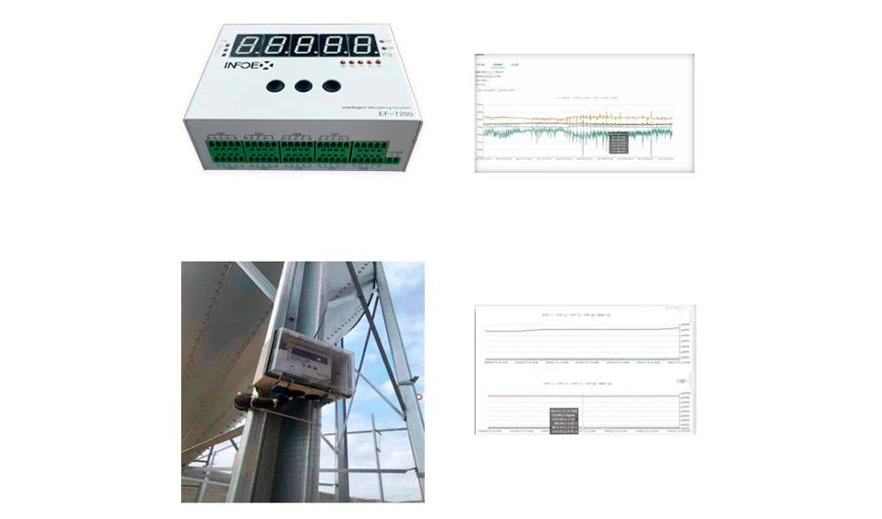
| Embedded Process Controller | Processes sensor signals and applies algorithms | Improves data accuracy and automation |
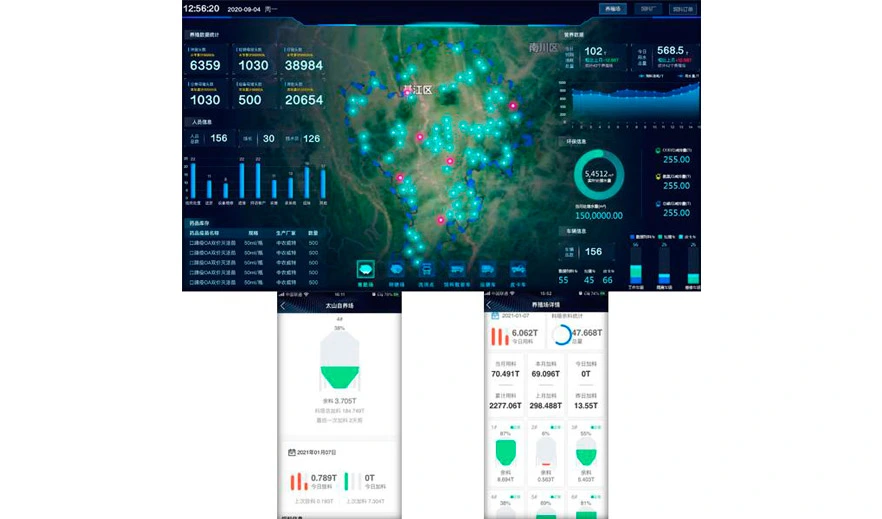
| Cloud Management Platform | Stores and analyzes farm data | Supports remote monitoring and decision-making |
Feed management directly affects livestock production efficiency. Traditional methods often depend on manual inspections, which may cause delayed information, inaccurate inventory estimation, and inefficient feed scheduling.
An embedded process controller improves this process by enabling continuous monitoring of feed levels and consumption trends. The controller can process data from weighing sensors and help farm operators understand when feed needs to be replenished, how quickly animals consume feed, and whether abnormal changes occur.
This allows livestock farms to move from reactive management to proactive decision-making. Instead of checking silos manually, operators can access updated information and manage feed resources more efficiently.
Environmental conditions in livestock farms can affect measurement accuracy. Factors such as vibration, temperature changes, and uneven loading may influence sensor signals. A high-quality embedded process controller can analyze collected data and apply intelligent processing methods to improve measurement reliability.
For smart silo weighing applications, the controller provides several advantages:
It enables faster data processing, helping farms receive timely updates about feed inventory. It also supports algorithm-based data correction, which helps maintain stable measurement performance in complex farming environments.
SWT integrates intelligent controller technology into its smart farming solutions to create a reliable connection between weighing equipment, data analysis, and farm management. The company’s intelligent silo weighing systems are designed to support modern livestock operations that require accurate and efficient feed monitoring.
| Feature | Traditional Manual Monitoring | Embedded Process Controller Based System |
|---|---|---|
| Data Collection | Manual inspection | Automatic sensor data collection |
| Monitoring Frequency | Periodic checking | Continuous monitoring |
| Data Processing | Human evaluation | Intelligent algorithm processing |
| Management Efficiency | Requires more labor involvement | Supports remote and digital management |
As livestock farming becomes more digitalized, automation technologies will continue to play a larger role in farm management. An embedded process controller provides the foundation for connecting physical equipment with intelligent software systems.
Future smart farms will increasingly rely on real-time data to optimize feeding strategies, improve resource utilization, and reduce operational uncertainty. Embedded controllers will remain an important technology for transforming traditional agricultural equipment into connected smart farming solutions.
With experience in intelligent weighing technology, SWT focuses on developing smart solutions that help livestock farms improve feed management efficiency. Explore more about SWT’s smart farming products through the SWT intelligent weighing system solutions and discover how intelligent control technology can support modern farm operations.
An embedded process controller is a key component in modern livestock feed management systems. By connecting sensors, intelligent algorithms, and cloud-based platforms, it helps farms achieve more accurate feed monitoring, better resource management, and improved operational efficiency.
For livestock businesses looking to upgrade from manual monitoring to smart farm management, choosing a reliable embedded control solution is an important step. SWT provides intelligent silo weighing solutions that combine advanced controller technology with practical farming applications. Contact SWT to discuss a suitable smart farming solution for your operation.
An embedded process controller collects data from connected devices, processes information through programmed algorithms, and controls specific system functions.
It improves feed management by enabling real-time monitoring, accurate data processing, and more efficient inventory control.
An embedded controller is designed for specific applications with optimized processing, while traditional controllers may provide more general control functions.
They connect agricultural equipment with digital systems, enabling automated monitoring and data-driven farm management.
For customized smart livestock farming solutions, please contact SWT’s technical team to learn more.
1-437-268-7072